


Lathe vs Mill - Which One Suits Your Needs? Easy-to-Read!
Selecting the right production method is essential for ensuring cost-efficiency, boosting manufacturing efficiency, and controlling the budget. In this regard, we will focus on two key players in the modern manufacturing industry: CNC lathe vs milling machines, examining their roles and key differences.
What is a CNC Lathe Machine?
CNC lathes boast remarkable versatility, adept at crafting a wide array of materials such as metals, alloys, plastics, and wood. These machines excel in shaping parts by spinning the workpiece against cutting tools, achieving precise cuts and desired features with high accuracy. These machines come in various types:
-
Engine Lathe
Engine lathes are fundamental in machine shops for a broad range of operations, including cutting, sanding, and drilling. They are particularly suited for producing symmetrical objects and are essential in manufacturing and repair contexts. -
Turret Lathe
Turret lathes, distinct for their rapid and sequential machining capabilities, are equipped with a turret that holds multiple tools. This allows for quick transitions between tasks like drilling and boring, making them highly efficient in mass production environments such as automotive and aerospace manufacturing.
Differing from engine and turret lathes, CNC lathes operate under computer control, facilitating the automation of component fabrication. This functionality is especially important in modern manufacturing environments where a high degree of precision is necessary, often necessitating tolerances as precise as ±0.01 mm.
What is a CNC Milling Machine?
A milling machine, primarily used for shaping and cutting solid materials like metal, operates by removing material from a workpiece with rotary cutters.
The fundamental operations of a milling machine include:
-
Horizontal Milling Machine
Characterized by its horizontal spindle orientation, this machine is ideal for heavy cutting operations like gear cutting and slotting. Its horizontal setup aids in efficient chip removal for large, heavy workpieces. It's versatile with various attachments and is commonly used in industrial settings for robust material removal. -
Vertical Milling Machine
With a vertical spindle orientation, this machine is suited for detailed and precise tasks such as end milling and drilling. It excels in intricate operations like milling keyways and pockets. The vertical design allows for greater control over smaller, complex workpieces. Attachments like rotary tables enhance its versatility, making it popular for precision tasks in tool and die making, and prototype development.
At the forefront of milling technology, CNC milling machines use Computer Numerical Control to automate operations. They are highly precise and efficient, capable of producing complex parts across multiple axes. Essential in industries like aerospace, automotive, and electronics, these machines are known for their ability to create complex geometries accurately and consistently, suitable for both high-volume production and prototype development.
Difference between CNC Lathe vs Mill
In the world of CNC machining, CNC lathe machines and CNC milling machines stand as pillars of modern manufacturing, each with distinct capabilities and applications.
While both operate under computer numerical control, they differ in their primary functions and operational nuances. CNC lathe machines are optimized for precise turning operations, typically involving cylindrical parts, whereas CNC milling machines excel in versatile milling tasks, creating complex shapes and features.
This table below aims to highlight the key differences and similarities between CNC Lathe vs Mill, providing a clear understanding of their respective roles and advantages in a manufacturing setting:
Lathe vs Mill - Which One Suits Your Needs?
Selecting the right manufacturing machine largely depends on the product's shape. For instance, CNC lathe machines are ideal for producing cylindrical items such as hinges, while CNC milling machines are better suited for creating parts with complex shapes beyond just cylindrical forms.
If you're uncertain about the most suitable production method for your desired products, SZS is here to assist! Our experienced professionals can guide you towards the most cost-effective and efficient production approach, including making the crucial decision between using a CNC lathe or a milling machine.
At SZS, we leverage our extensive OEM/ODM experience in CNC manufacturing to customize products that meet our clients' specific requirements, focusing on high quality, precision, and cost-efficiency. This includes selecting the right machine - lathe or mill - based on the product's design and functionality needs.
But our service doesn't stop at manufacturing. SZS also offers additional post-CNC treatments like polishing, blasting, and anodizing to further enhance the quality and durability of the final product, ensuring that each design is not only intricate but also finished to the highest standard.
Contact our sales team today and customize your own CNC parts to meet your specific needs!
Learn more:
Practical Uses of CNC Lathe Machines in Different Industries
Other
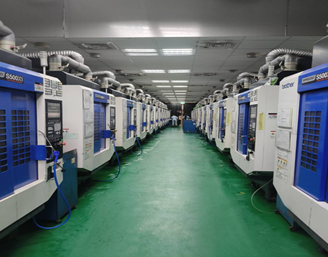
5-Axis Milling Technology: Revolutionary Breakthrough in Precision Manufacturing
In the modern precision manufacturing field, CNC milling services have become the core technology for high-precision parts production. SZS Precision Machining, with advanced 5-axis milling manufacturer capabilities combined with Japanese equipment excellence, provides manufacturing services achieving 0.005mm precision for clients. Our precision milling parts company possesses extensive multi-axis machining experience, specializing in custom milling company manufacturing of complex geometric components.
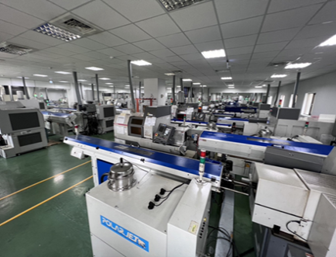
Precision Turning Specialists: CITIZEN Swiss-Type Lathes Achieving 0.005mm Machining Accuracy
In today's precision manufacturing industry, CNC lathe machining accuracy requirements are becoming increasingly stringent. Traditional cutting technologies face challenges such as chip entanglement and short tool life. SZS Precision Manufacturing, with advanced Japanese equipment and innovative technology, provides exceptional precision turning services for customers, establishing itself as a trusted CNC turning services provider in the industry.

Lathe vs Mill - Which One Suits Your Needs? Easy-to-Read!
CNC lathes excel in shaping parts by spinning the workpiece against cutting tools while CNC mills remove material from a workpiece with rotary cutters.
